What is Reproductive Abuse and Coercion?


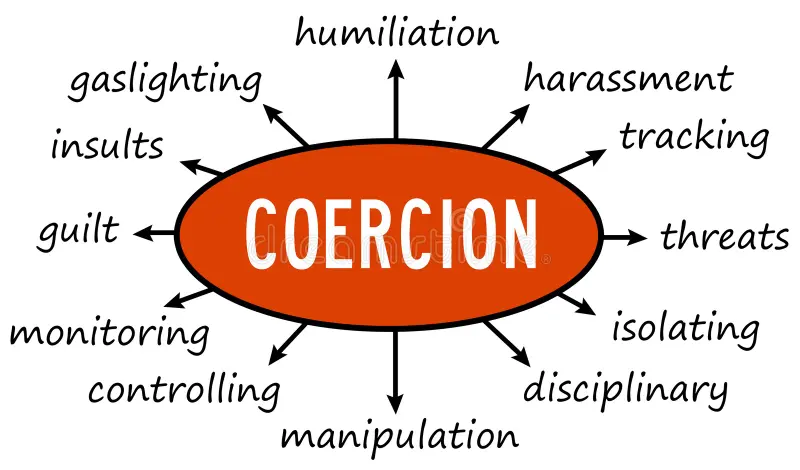
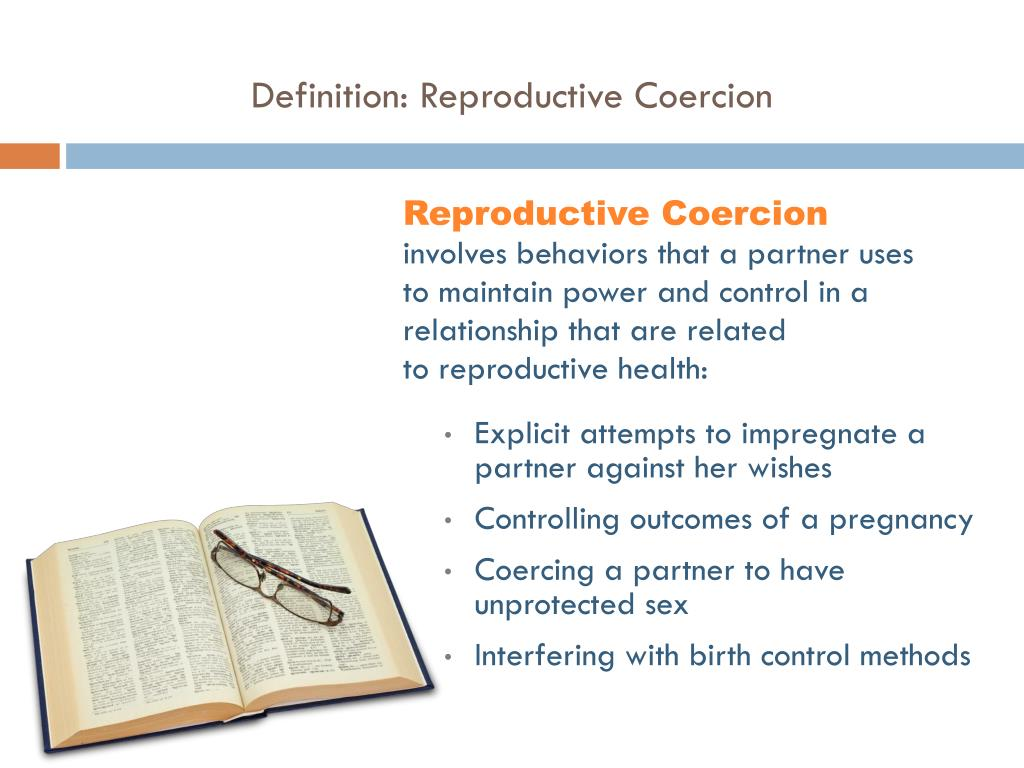
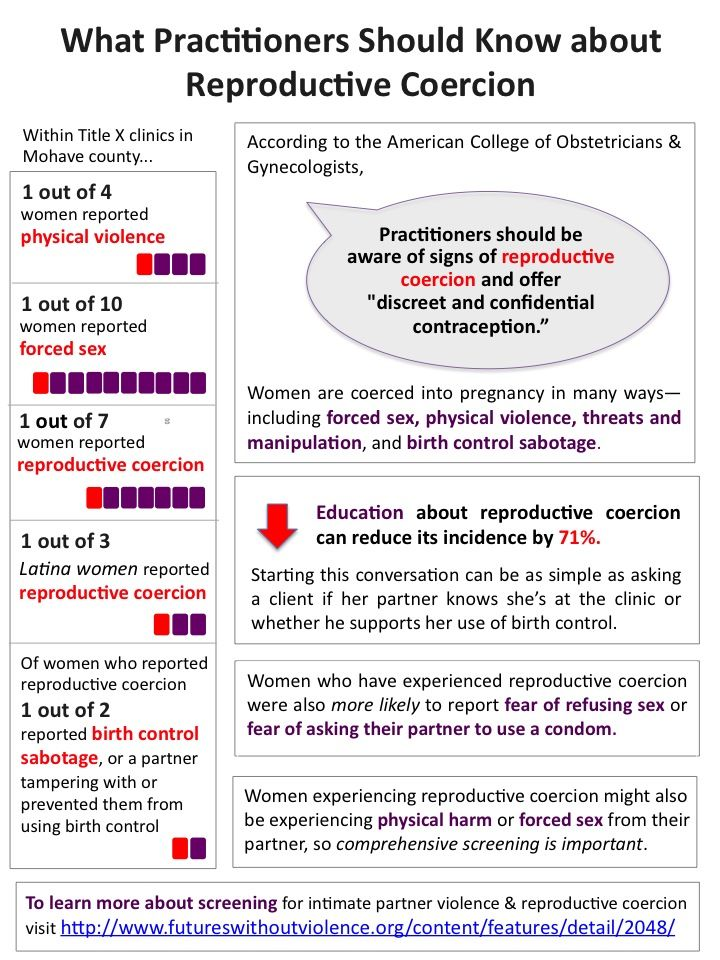
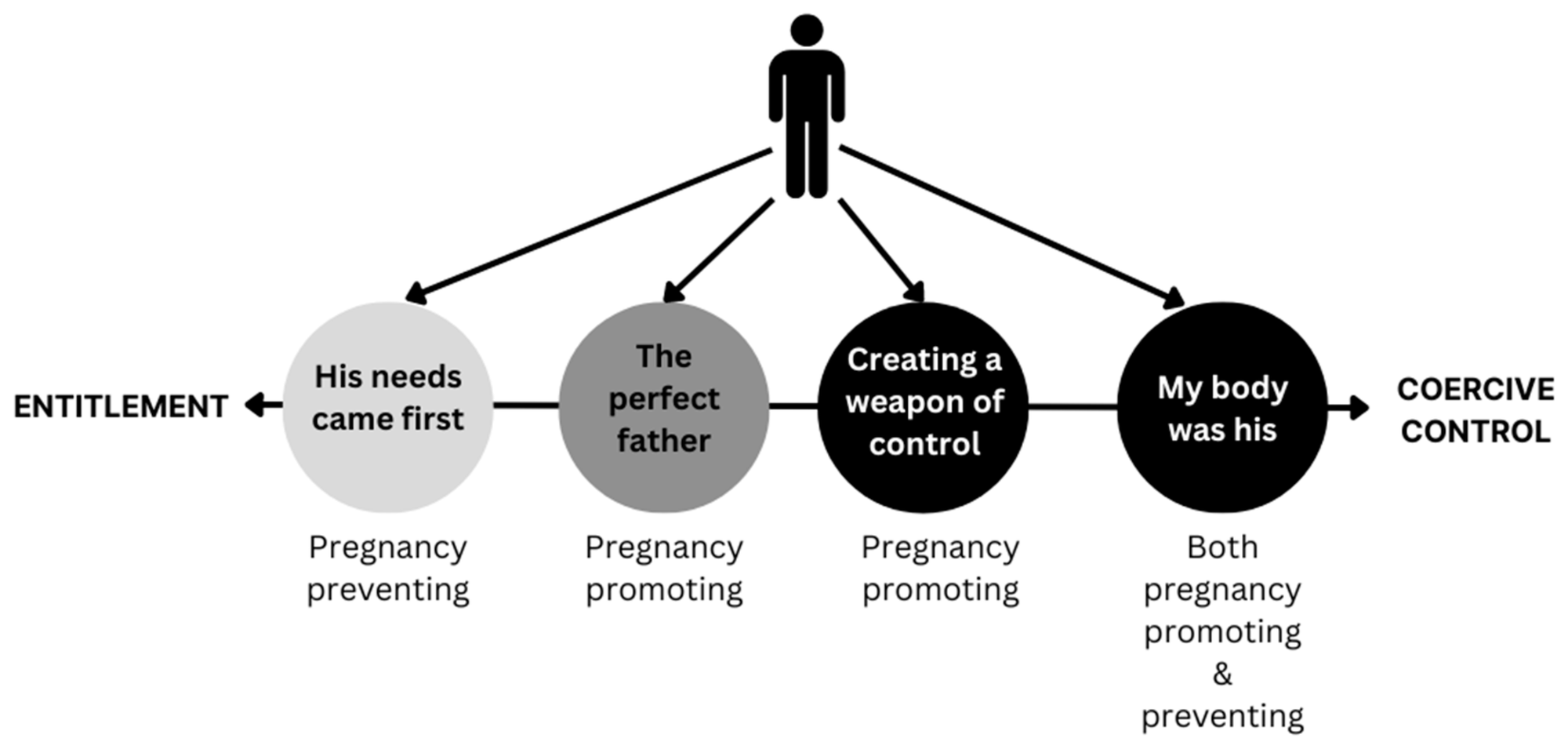
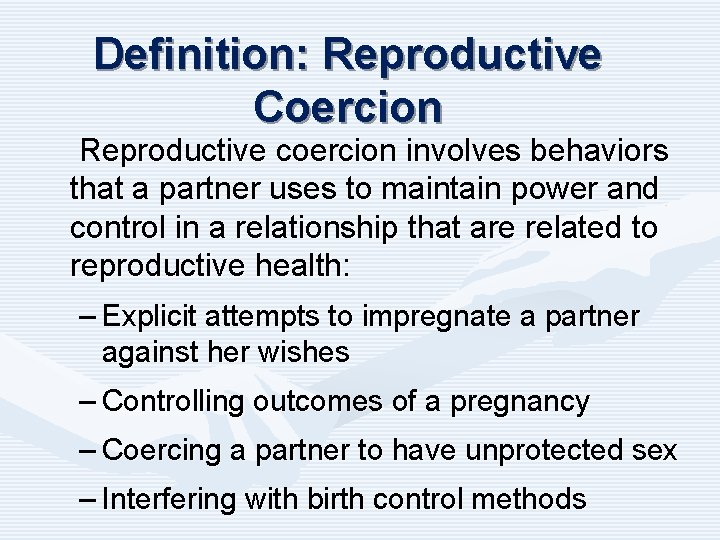
Reproductive abuse is when a person tries to control your reproductive choices in order to control your life. Reproductive abuse is also often called “reproductive coercion.” Coercion is when a person tries to persuade someone to do something by using force or threats. Reproductive abuse can be a single act, or it can be part of a larger pattern of abusive behaviors. Reproductive abuse can include sexual assault, rape, and other abusive actions concerning your sexual and reproductive health, such as:
- Sexually-coercive behaviors, like when a person:
- pressures or forces a sexual partner to have sex when s/he doesn’t want to have sex;
- threatens to end a relationship if a person doesn’t have sex;
- forces a sexual partner to not use birth control, including a condom, contraceptive pills, or other available options;
- intentionally exposes a sexual partner to a sexually-transmitted infection (STI); or
- retaliates against a sexual partner when told about a positive (STI) result.
- Birth control sabotage, like when a person:
- hides, withholds, or destroys a sexual partner’s birth control pills;
- replaces or tampers with a sexual partner’s birth control pills without the partner’s knowledge or consent;
- breaks or pokes holes in a condom on purpose;
- removes a condom during sex without telling his/her sexual partner;
- refuses to withdraw during sex, even if s/he previous agreed to do so;
- pulls out a sexual partner’s vaginal contraceptive ring; or
- tears off a sexual partner’s contraceptive patch.
- Pregnancy pressure, which is when a person pressures a sexual partner to:
- get pregnant when s/he doesn’t want to be pregnant;
- continue a pregnancy when s/he wants an abortion; or
- end a pregnancy s/he wants to continue.
Client Challenge